Physics, 7th grade
Another textbook: A. V. Peryshkin
Physics, grade 7. Gendenshtein L.E., Kaidalov A.B. textbook, 2012
Contents
- Chapter 1. Physics and the physical methods of studying nature.
-
Chapter 2. The structure of matter.
- 5. Atoms and molecules.
- Sizes of molecules and atoms.
- 6. Motion and interaction of molecules.
- Brownian motion.
- 5. Atoms and molecules.
- Chapter 3. Motion and interaction of bodies.
-
Chapter 5. Work and energy
- 24 Simple mechanisms
- Centre of gravity
- 24.1 Pulleys
- 25. Lever
- 26. Mechanical work. Power.
- 28. Mechanical energy.
- 24 Simple mechanisms
download
Articles to read:
Chapter 1. Physics and the physical methods of studying nature.
§1. Physics is the science of nature.
Page 6.
1.1. Laws of nature.
1.2. Physical bodies.
Page 7.
1.3. Physical phenomena.
Aurora
§2. How physics changes the world and our idea of it
Page 14.
2.1. How the human idea of the universe has changed.
Page 15.
2.3. The history of clocks.
Page 17.
Pendulum clocks
Glockenspiel
Further reading (you can come back to this in senior grades):
Simple pendulum
§3. Observations and experiments. The scientific method.
Page 20.
3.1. Observations and experiments.
3.2. The scientific method.
Page 22.
3.3. What the Leaning Tower of Pisa is famous for.
§4. Physical quantities and their measurement.
Page 25.
4.1. Physical quantities.
4.2. Measuring instruments.
Page 27.
4.3. Measurement errors.
Page 29.
4.4. Guess how to measure!
4.5. On the different units of length for small and large things.
Page 30.
4.6. Can distance be measured in years?
Page 31.
Sound
The origin of sound
Oscillations
Oscillatory motion
A weight on a spring. The stiffness coefficient.
Amplitude and period
Amplitude of oscillation is the maximum deviation from the equilibrium position.
Period is the time of one complete oscillation.
Free and forced oscillations.
Quantities that characterise oscillatory motion.
Energy conversion in oscillatory motion.
Transverse wave
Longitudinal wave.
Several pendulums. Hypnotic oscillations.
Oscillations of various pendulums.
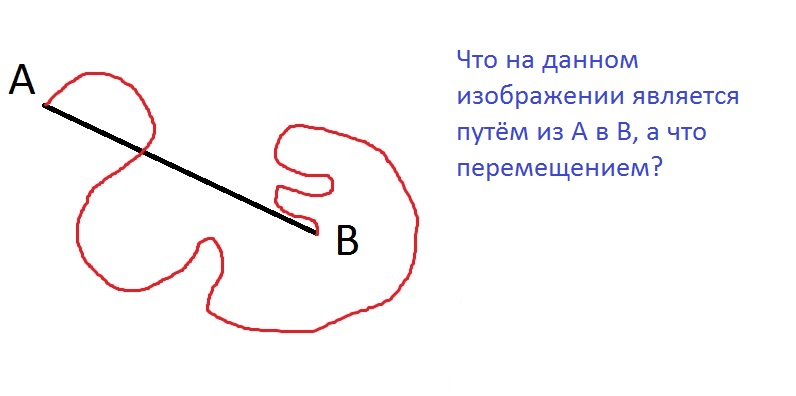
2)
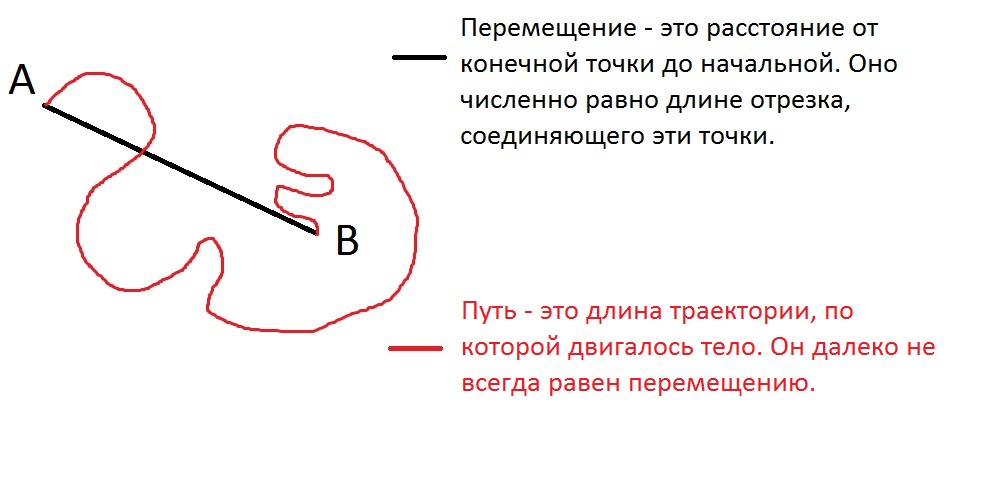
3)
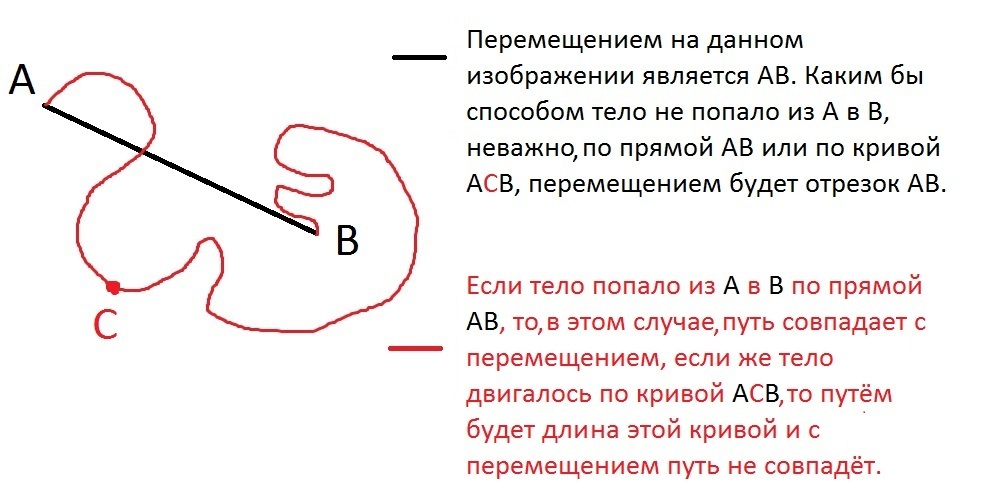
Useful links
YouTube channels
| Grade 6 | Grade 7 |
| Grade 8 | Grade 9 |
| OGE (GIA for the 9th grade) | Grade 10 |
| Grade 11 | EGE |
| Physics dictionary | Useful links |
Article author: Andrei Olegovich
